SoHo & the Village Architecture Tour

Explore New York’s architecture and urban life through architect-led walking tours and experiences.

Tour Overview

Discover a different side of New York through the architecture, culture, and urban life of SoHo, Greenwich Village, Nolita, the Lower East Side, the East Village, and the Bowery. This architect-led walking tour explores how successive generations of immigrants, artists, institutions, and developers transformed these neighborhoods into some of the city’s most dynamic urban environments.

Moving through a diverse sequence of streets, public spaces, historic buildings, and contemporary landmarks, the tour traces the continual reinvention of downtown New York. From immigrant communities and industrial districts to cultural institutions, creative hubs, and contemporary development, participants discover how architecture reflects changing ideas about identity, community, and city life.

Along the way, the tour explores cast-iron architecture, religious landmarks, educational institutions, cultural buildings, and innovative contemporary projects that reveal the remarkable diversity of the built environment. Together, these places tell the story of how culture, creativity, and urban change have continually reshaped downtown Manhattan.

Today, these neighborhoods remain among the most vibrant and influential parts of New York City, where historic layers and contemporary life coexist within a constantly evolving urban landscape.
Choose Your Experience

Choose the experience format that best fits your interests, schedule, and group size.

Public Tour

Small groups up to 10 guests
Duration: 2 hours
Language: English
Adults $59, Youth $39

Private Tour

Flexible Size and Scheduling
Duration: 2 / 4 / 6 hours
In English, Spanish, Italian & French
Starting at $399

Group Program

Customized itineraries and themes
From 2 hours to multiple days
In English, Spanish, Italian & French
Price by request

Tour Highlights

St. Mark’s Church in-the-Bowery (1799)
One of New York’s oldest churches, reflecting the early civic and cultural life of the East Village.

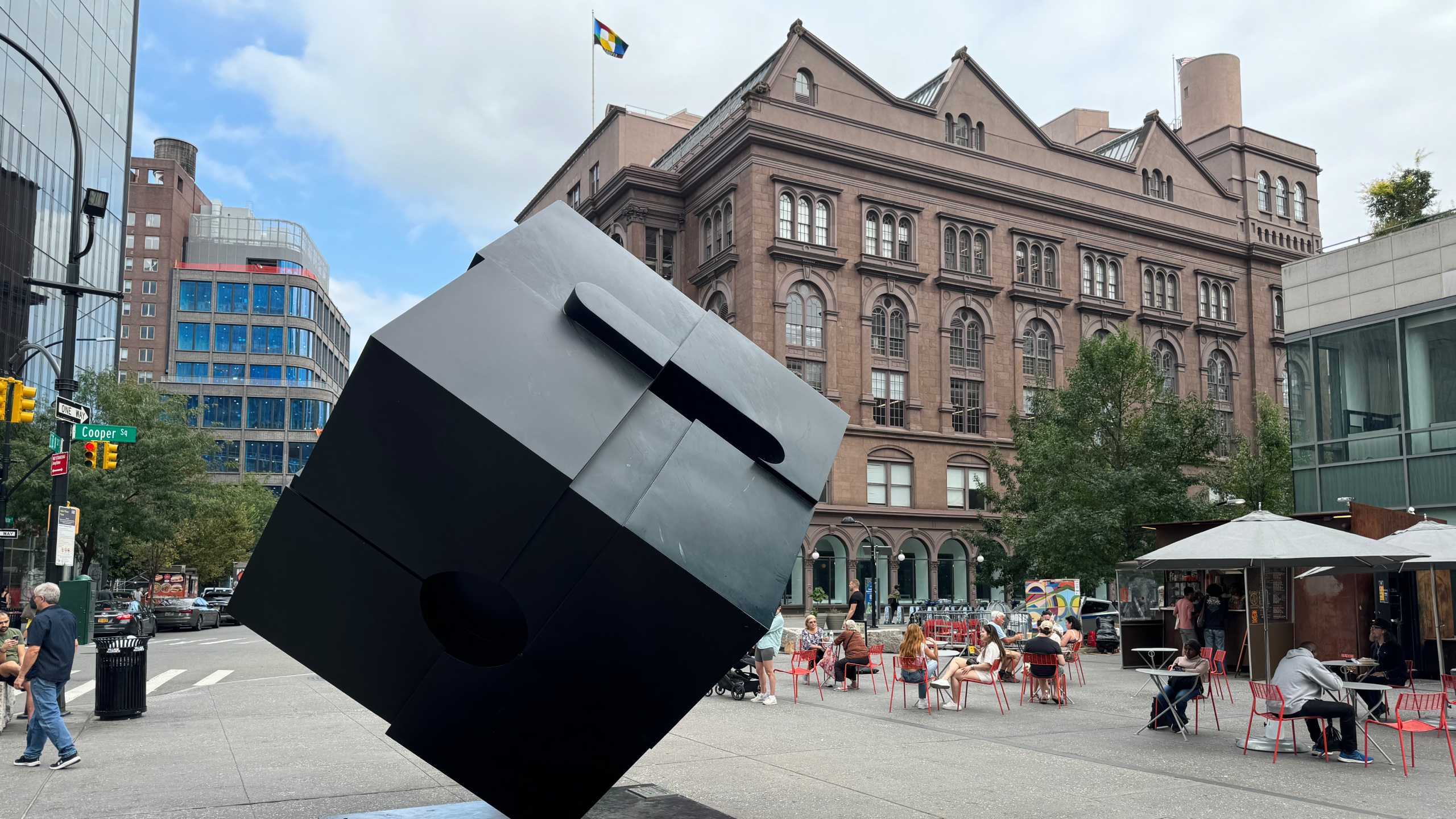
The Cooper Union Foundation Building (Frederick A. Petersen, 1859)
A pioneering educational institution whose architecture reflects New York’s long tradition of innovation, engineering, public discourse, and civic engagement.

SoHo Cast-Iron Historic District
Home to the world’s largest concentration of cast-iron architecture, SoHo represents one of the most important historic preservation and adaptive reuse success stories in New York City.

New Museum (SANAA, 2007)
SANAA’s celebrated contemporary museum helped establish the Bowery and Lower East Side as important centers of contemporary architecture and culture.

Silver Towers (I. M. Pei & Associates, 1967)
A modernist residential complex emphasizing repetition, geometry, and urban density.

Washington Square Park (est. 1827)
One of New York City’s most iconic public spaces, where architecture, education, culture, and civic life converge at the heart of Greenwich Village.

View Full List of Buildings and Sites on this Tour

A curated selection of buildings, public spaces, and cultural sites tracing the architectural and urban evolution of SoHo, the Village, Nolita, and the Lower East Side.

Historic and Early Architecture
St. Mark’s Church in-the-Bowery (1799)
Basilica of St. Patrick’s Old Cathedral (Joseph-François Mangin, 1809–1815)
Cooper Union Foundation Building (Frederick A. Petersen, 1859)
Judson Memorial Church (Stanford White, 1888–1893)
Washington Square Arch (Stanford White, 1889)
Bayard–Condict Building (Louis Sullivan, 1898)
Little Singer Building (Ernest Flagg, 1904)
Astor Place Subway Station (Heins & La Farge, 1904)

Modern Architecture and Urban Renewal
Washington Square Village (1956–1958)
Silver Towers (I. M. Pei & Associates, 1966)
NYU Urban Renewal Plan (Robert Moses era)

Postmodern and Institutional Architecture
Bobst Library (Philip Johnson & Richard Foster, 1973)
NYU Stern School of Business (Philip Johnson, 1971)
NYU Center for Near Eastern Studies (Philip Johnson & Richard Foster, 1972)

Contemporary Architecture
Prada Epicenter (OMA / Rem Koolhaas, 2004)
Astor Place Tower (Gwathmey Siegel, 2005)
New Museum (SANAA, 2007; expansion by OMA, 2025)
40 Mercer Street (Jean Nouvel, 2002–2008)
40 Bond Street (Herzog & de Meuron, 2007)
Sperone Westwater Gallery (Foster + Partners, 2008–2009)
51 Astor Place (Fumihiko Maki, 2013)
Public Hotel (Herzog & de Meuron, 2017)
Cooper Union Engineering Building (Morphosis, 2009)
NYU John A. Paulson Center (KieranTimberlake, 2022)
NYU Department of Philosophy (Steven Holl, 2007)

Public Spaces and Urban Landscape
Washington Square Park (est. 1827)
Cooper Square and Cooper Triangle
Elizabeth Street Garden
Silver Towers Plaza
Time Landscape
LaGuardia Corner Gardens
Sasaki Garden

Public Art and Cultural Landmarks
Peter Cooper Monument
Alamo (Astor Place Cube)
Keith Haring, Self Portrait (1989)
Bust of Sylvette (after Picasso)

Interior access and sites visited may vary depending on route and availability.

Itinerary

Meeting Point: St. Mark’s Church in-the-Bowery

This architect-led walking tour explores SoHo, Greenwich Village, the East Village, Nolita, and the Lower East Side through a curated sequence of historic buildings, public spaces, cultural institutions, and contemporary landmarks, revealing the evolution of architecture and urban life in downtown Manhattan.

St. Mark’s Church and Astor Place
We begin in the East Village at St. Mark’s Church in-the-Bowery, one of the oldest surviving buildings in New York, before continuing through Astor Place, where public space, infrastructure, education, and culture intersect. This opening section introduces the layered history of downtown Manhattan and its continual transformation over time.

Cooper Union
At Cooper Union, we explore both the historic Foundation Building and the contemporary Engineering Building, examining how education, innovation, and public discourse have shaped the development of New York City for more than a century.

Bond Street and NoHo
Moving through Bond Street and NoHo, we encounter a sequence of contemporary residential, cultural, and hospitality projects, including 40 Bond Street and the Public Hotel. These buildings illustrate how architecture continues to respond to changing patterns of urban living and neighborhood identity.

Lower East Side
In the Lower East Side, institutions such as the New Museum and Sperone Westwater Gallery reveal how architecture and cultural investment have contributed to the ongoing transformation of one of New York’s most historically diverse neighborhoods.

Nolita
Passing through Nolita, we encounter the Basilica of St. Patrick’s Old Cathedral and other historic sites that reflect the neighborhood’s religious, immigrant, and cultural history.

SoHo
In SoHo, we explore one of the world’s largest collections of cast-iron architecture alongside contemporary retail and commercial spaces. Buildings such as the Bayard–Condict Building, the Little Singer Building, and the Prada flagship reveal the neighborhood’s transformation from industrial district to global destination for culture, design, and commerce.

Greenwich Village and Washington Square
The tour concludes in Greenwich Village, where Washington Square Park, Silver Towers, the NYU campus, and surrounding landmarks reveal the complex relationship between public space, urban renewal, education, culture, and city life.

Ending Point: Washington Square Park

Key Themes

Immigration and Urban Life
Explore how generations of immigrant communities shaped the social, cultural, and physical fabric of neighborhoods such as the Lower East Side,
Nolita, and the East Village.

Architecture and Innovation
From cast-iron construction in SoHo to contemporary architecture in NoHo and the Lower East Side, discover how innovation transformed the built environment of downtown Manhattan.

Culture, Education, and Civic Identity
Examine how institutions such as Cooper Union, NYU, and the New Museum contributed to the cultural and intellectual life of New York City.

Urban Transformation and Reinvention
Trace the evolution of downtown neighborhoods from industrial districts and working-class communities to centers of culture, creativity, and contemporary urban life.

Public Space and Community
From Astor Place to Washington Square Park, explore how streets, plazas, and parks shape civic life, cultural expression, and neighborhood identity.

Meet Your Architect Guides

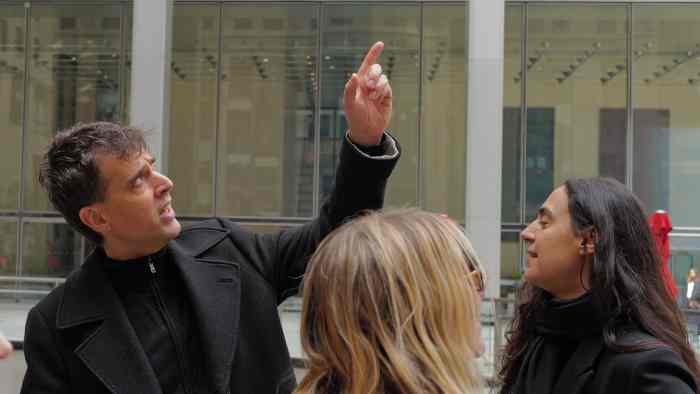
Our tours are led by architects and urban experts with deep knowledge of New York’s architecture, development, and city systems.

Each guide brings a unique perspective, combining professional experience with a passion for sharing the stories behind the city’s buildings and neighborhoods.

Tour Gallery

A glimpse into the architecture, streets, and spaces explored on this tour.

Practical Information

Accessibility

This tour involves moderate walking at a comfortable pace with regular stops. Some areas may include uneven surfaces. Please contact us in advance for specific accessibility needs.

What to Bring

Comfortable walking shoes and weather-appropriate clothing are recommended. In warmer months, bring water and sun protection. In cooler weather, dress in layers.

Weather Policy

Tours run rain or shine. In severe weather, we will contact you in advance to reschedule or provide alternatives.

Cancellation Policy

Public tours may be canceled or rescheduled up to 24 hours in advance for a full refund.

Private tours and group programs follow specific terms provided at booking.

Testimonials

Ivan was incredibly knowledgeable about architectural design and history of the buildings we toured, and the urban planning of the city. The tours are intimate so you get a chance to ask lots of questions, and Ivan really has a well of answers. He’s also really friendly, charismatic and fun! Highly recommend to anyone looking for a unique way to learn about New York City.

Anna Y.

Insightful, informative and individualized tour of the Village and SoHo. Ivan was a terrific guide. He tailored the tour to our interests. I have new respect for the beauty and history of buildings I pass often. Ivan reminded me to look up and around!

Donna W.

Frequently Asked Questions


Is this tour suitable if I don’t have an architecture background?

Yes. Our tours are designed to be engaging and accessible to all visitors, whether you are an architecture enthusiast, a professional, or simply curious about the city.

Who is this tour designed for?

This tour is designed for architecture enthusiasts, cultural travelers, professionals, students, and curious New Yorkers interested in the intersection of architecture, urbanism, history, and city life.

How much walking is involved?

This is a walking tour covering approximately 1.5 miles. A moderate level of walking is required, with regular stops along the route.

Can this tour be customized?

Yes. Private tours and group programs can be tailored to your interests, schedule, and areas of focus.

   Still have some questions?

  Our team is happy to help you choose the right experience.

Discover New York Through Architecture

Join a public tour or plan a private experience tailored to your interests.

Explore More Architecture Tours in New York

Build Tours offers architecture tours across New York City’s most distinctive neighborhoods. Each experience is led by architects and urban experts who reveal the buildings, public spaces, and stories that shaped the city.