Midtown East Architecture Tour

Explore New York’s architecture and urban life through architect-led walking tours and experiences.

Tour Overview

Discover the architectural evolution of Midtown East, where transportation infrastructure, corporate ambition, diplomacy, and urban planning shaped one of Manhattan’s most influential districts. This architect-led walking tour explores the development of the Eastern part of Midtown through a curated sequence of landmark buildings, public spaces, and skyscrapers spanning more than a century of architectural history.

From the monumental civic spaces surrounding Grand Central Terminal to the Art Deco landmarks of the early skyscraper era and the contemporary towers transforming the district today, the tour traces how Midtown East emerged as a global center of commerce, mobility, and institutional power.

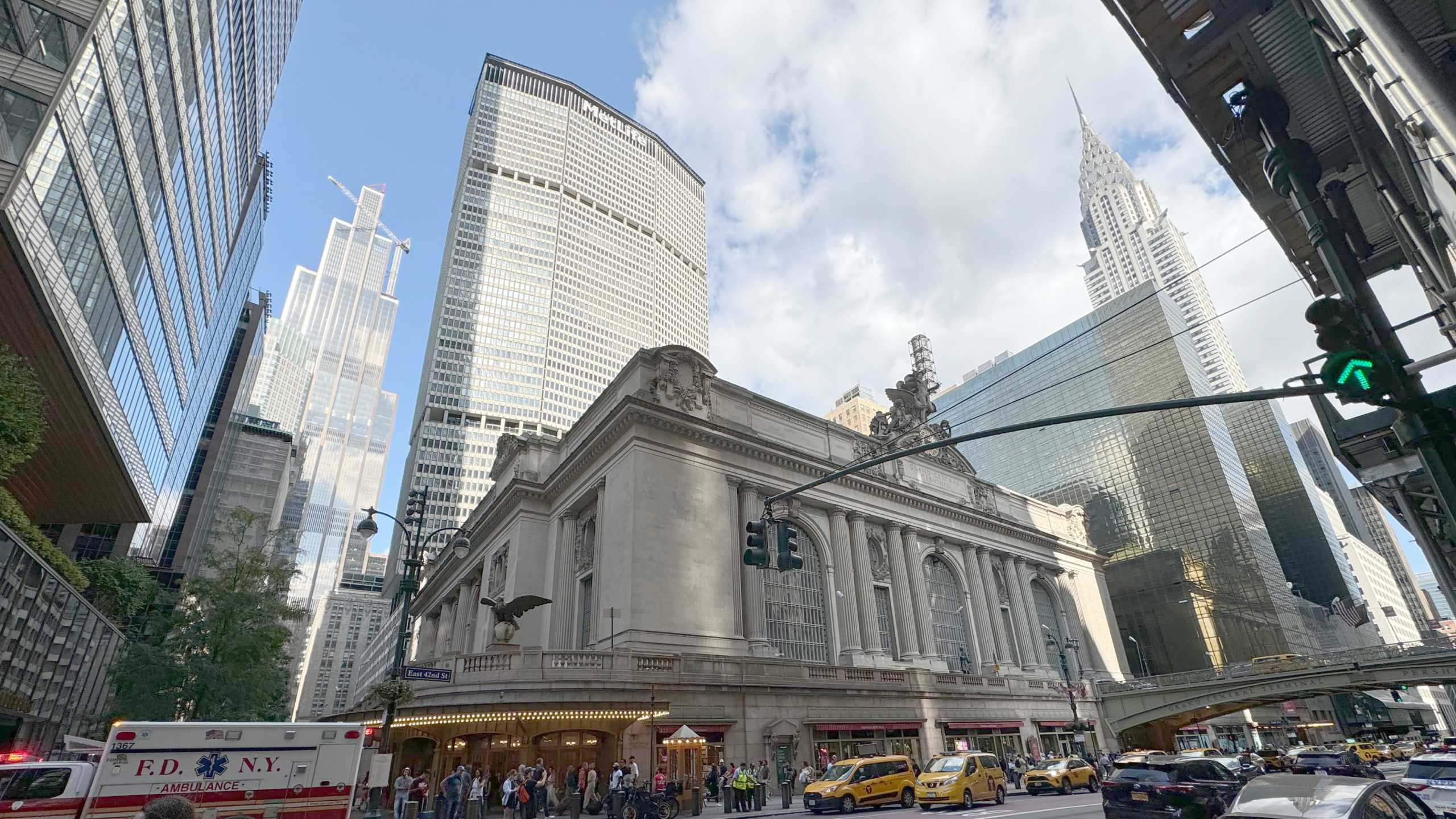
Along the way, participants encounter iconic works such as Grand Central Terminal, the Chrysler Building, the United Nations Headquarters, the Ford Foundation, and One Vanderbilt, revealing how transportation networks, corporate development, and urban policies continuously reshaped the skyline of New York.

The tour also explores the relationship between architecture and infrastructure, examining how rail networks, zoning, real estate development, and global institutions transformed Midtown East into one of the world's most influential business districts. Today, the neighborhood remains a powerful expression of New York’s capacity for growth, innovation, and reinvention.
Choose Your Experience

Choose the experience format that best fits your interests, schedule, and group size.

Public Tour

Small groups up to 10 guests
Duration: 2 hours
Language: English
Adults $59, Students $39

Private Tour

Flexible Size and Scheduling
Duration: 2 / 4 / 6 hours
In English, Spanish, Italian & French
Starting at $399

Group Program

Customized itineraries and themes
From 2 hours to multiple days
In English, Spanish, Italian & French
Price by request

Tour Highlights

Grand Central Terminal (Reed & Stem and Warren & Wetmore, 1913)
One of New York City’s most iconic landmarks, Grand Central Terminal combines Beaux-Arts architecture, engineering innovation, transportation infrastructure, and monumental public space.

Chrysler Building (William Van Alen, 1930)
One of the world’s most celebrated Art Deco skyscrapers, renowned for its stainless-steel crown, ornamental detailing, and enduring influence on New York’s skyline.

United Nations Headquarters (Le Corbusier, Oscar Niemeyer, Wallace Harrison and international team, 1952)
A landmark of international modernism designed by a global team of architects, symbolizing diplomacy, cooperation, and postwar urban vision.

Ford Foundation Building (Kevin Roche John Dinkeloo & Associates, 1967)
A landmark modernist office building organized around a dramatic indoor garden atrium.

One Vanderbilt (Kohn Pedersen Fox, 2020)
A transformative supertall skyscraper that integrates transit infrastructure, public space, and contemporary office design while redefining the Midtown skyline.

270 Park Avenue / JPMorgan Chase Headquarters (Foster + Partners, 2025)
Foster + Partners’ next-generation headquarters for JPMorgan Chase, representing the future of sustainable corporate architecture and engineering innovation in Midtown Manhattan.

View Full List of Buildings and Sites on this Tour

A curated selection of landmark buildings, public spaces, and skyscrapers tracing the architectural evolution of Midtown East from the Beaux-Arts era to contemporary corporate development.

Beaux-Arts and Classical Architecture
Grand Central Terminal (Reed & Stem and Warren & Wetmore, 1913)
Helmsley Building (Warren & Wetmore, 1929)
St. Bartholomew’s Church (Bertram Grosvenor Goodhue, 1919)

Neo-Gothic and Early Residential Development
Tudor City (Fred F. French Company, 1920s)

Art Deco Architecture
Chrysler Building (William Van Alen, 1930)
Daily News Building (Raymond Hood, 1930)
Chanin Building (Sloan & Robertson with Irwin S. Chanin, 1929)
Waldorf Astoria Hotel (Schultze & Weaver, 1931)
General Electric Building (Cross & Cross, 1931)

Modernism and International Style
United Nations Headquarters (international team led by Wallace Harrison, Le Corbusier, and Oscar Niemeyer, 1952)
MetLife Building / Pan Am Building (Emery Roth & Sons with Walter Gropius and Pietro Belluschi, 1963)
Ford Foundation Building (Kevin Roche John Dinkeloo & Associates, 1967)
One and Two United Nations Plaza (Kevin Roche John Dinkeloo & Associates, 1970s)

Contemporary Architecture
One Vanderbilt (Kohn Pedersen Fox, 2020)
270 Park Avenue / JPMorgan Chase Headquarters (Foster + Partners, ongoing)

Parks, Gardens, and Public Space
Vanderbilt Avenue Plaza
Ford Foundation Atrium Garden
Tudor City Greens
Ralph Bunche Park

Public Art and Monuments
Grand Central Terminal Sculptural Group
Peace Form One Sculpture

Itinerary

Meeting Point: Vanderbilt Avenue Plaza

This architect-led walking tour explores Midtown East through a curated sequence of transportation landmarks, Art Deco skyscrapers, corporate towers, diplomatic institutions, and public spaces, revealing how architecture and infrastructure transformed the district into one of Manhattan’s most influential centers of commerce and global connectivity.

Vanderbilt Avenue Plaza and One Vanderbilt
We begin at Vanderbilt Avenue Plaza, where recent public space improvements reveal the ongoing transformation of Midtown East. Through One Vanderbilt and the redevelopment of the surrounding district, we examine how zoning, infrastructure investment, and commercial development continue to reshape Manhattan’s urban core.

Grand Central Terminal and Terminal City
At Grand Central Terminal, we explore one of New York’s most significant Beaux-Arts landmarks and examine how transportation infrastructure shaped the development of Midtown Manhattan. Surrounding buildings such as the Helmsley Building and the broader Terminal City complex reveal the relationship between rail networks, real estate development, and urban expansion.

Park Avenue
Moving north along Park Avenue, we encounter landmark buildings including the MetLife Building, the Waldorf Astoria, St. Bartholomew’s Church, and the future JPMorgan Chase headquarters. This section explores the evolution of Midtown East as a center of corporate power, luxury, and institutional architecture.

Lexington Avenue and the Chrysler Building
Along Lexington Avenue, we examine the Chrysler Building and surrounding skyscrapers that helped define the skyline of early 20th-century New York. Here, Art Deco architecture, ornamentation, and engineering innovation come together in one of the city’s most iconic urban compositions.

42nd Street
Continuing east along 42nd Street, we encounter the Chanin Building, Daily News Building, Ford Foundation, Tudor City, and the United Nations Headquarters. This final section of the tour reveals the transition from Art Deco urbanism to postwar modernism and international architecture, illustrating how Midtown East evolved into a global center of media, diplomacy, and institutional power.

Ending Point: United Nations Headquarters

Key Themes

Infrastructure and the Making of Midtown
Explore how Grand Central Terminal, rail networks, electrification, and Terminal City transformed Midtown Manhattan into a new center of transportation, commerce, and urban growth.

Art Deco and the Rise of the Vertical City
From the Chrysler Building to the Chanin and Daily News Buildings, examine how Art Deco architecture expressed speed, technology, optimism, and corporate ambition during the early skyscraper era.

Corporate Power and Modern Architecture
Discover how Park Avenue evolved into a global center of corporate identity through landmark buildings such as the MetLife Building, the Ford Foundation, and the district’s modern office towers.

Diplomacy, Modernism, and Global Identity
Explore how the United Nations Headquarters and surrounding institutions positioned Midtown East as a symbolic center of international diplomacy and postwar modernity.

Contemporary Transformation and the Future of Midtown
From One Vanderbilt to the new JPMorgan Chase headquarters, examine how rezoning, infrastructure investment, sustainability, and global capital continue to reshape Midtown East in the 21st century.

Meet Your Architect Guides

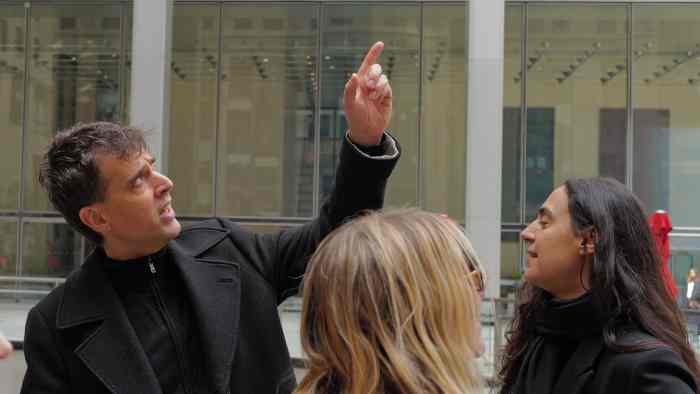
Our tours are led by architects and urban experts with deep knowledge of New York’s architecture, development, and city systems.

Each guide brings a unique perspective, combining professional experience with a passion for sharing the stories behind the city’s buildings and neighborhoods.

Tour Gallery

A glimpse into the architecture, streets, and spaces explored on this tour.

Practical Information

Accessibility

This tour involves moderate walking at a comfortable pace with regular stops. Some areas may include uneven surfaces. Please contact us in advance for specific accessibility needs.

What to Bring

Comfortable walking shoes and weather-appropriate clothing are recommended. In warmer months, bring water and sun protection. In cooler weather, dress in layers.

Weather Policy

Tours run rain or shine. In severe weather, we will contact you in advance to reschedule or provide alternatives.

Cancellation Policy

Public tours may be canceled or rescheduled up to 24 hours in advance for a full refund.

Private tours and group programs follow specific terms provided at booking.

Testimonials

The walking tour of midtown Manhattan was both fun and incredibly educational! Our guide, an expert architect, shared fascinating insights into the architectural history and design of the city's iconic buildings. Their knowledge truly brought the city to life. I left the tour with a new appreciation for the architecture and the stories behind the skyline. Highly recommend it to anyone curious about the design and history of Manhattan!

Nevenka D.

Best trip I ever took! Amazing tour! Ivan was extremely knowledgeable and very much in love with New York City - an absolute honor to have him as a guide. The two hours flew by very fast and we learned so much about the history of the city and the neighborhood. We will come back to visit other parts of the city with Build Tours!

M.

Frequently Asked Questions


Is this tour suitable if I don’t have an architecture background?

Yes. Our tours are designed to be engaging and accessible to all visitors, whether you are an architecture enthusiast, a professional, or simply curious about the city.

Who is this tour designed for?

This tour is designed for architecture enthusiasts, cultural travelers, professionals, students, and curious New Yorkers interested in the intersection of architecture, urbanism, history, and city life.

How much walking is involved?

This is a walking tour covering approximately 1.5 miles. A moderate level of walking is required, with regular stops along the route.

Can this tour be customized?

Yes. Private tours and group programs can be tailored to your interests, schedule, and areas of focus.

   Still have some questions?

  Our team is happy to help you choose the right experience.

Discover New York Through Architecture

Join a public tour or plan a private experience tailored to your interests.

Explore More Architecture Tours in New York

Build Tours offers architecture tours across New York City’s most distinctive neighborhoods. Each experience is led by architects and urban experts who reveal the buildings, public spaces, and stories that shaped the city.