Morningside Heights Architecture Tour

Explore New York’s architecture and urban life through architect-led walking tours and experiences.

Tour Overview

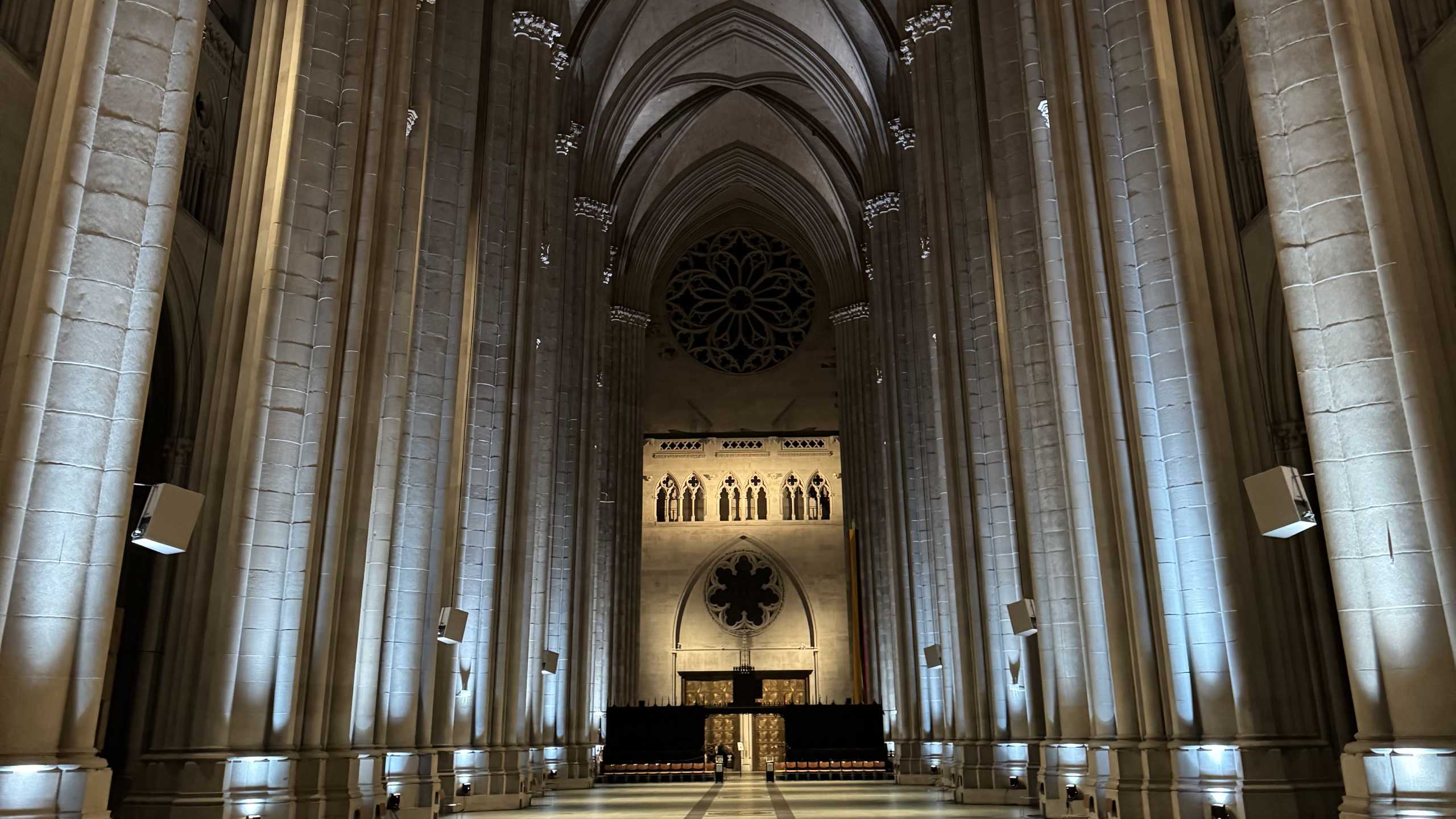
Discover the architectural and cultural evolution of Morningside Heights, home to Columbia University, the Cathedral of St. John the Divine, Riverside Church, and some of New York City’s most significant academic and civic institutions. This architect-led walking tour explores how universities, religious landmarks, parks, and monumental architecture transformed Upper Manhattan into one of the city’s most influential centers of knowledge, culture, and public life.

Moving through a curated sequence of academic campuses, Gothic cathedrals, contemporary university buildings, civic monuments, and public spaces, the tour traces the evolution of the neighborhood through changing ideas about education, spirituality, philanthropy, urban planning, and architecture. Along the way, participants encounter some of the most important examples of Beaux-Arts campus planning, Gothic Revival architecture, and contemporary academic design in New York City.

Choose Your Experience

Choose the experience format that best fits your interests, schedule, and group size.

Private Tour

Flexible Size and Scheduling
Duration: 2 / 4 / 6 hours
In English, Spanish, Italian & French
Starting at $399

Group Program

Customized itineraries and themes
From 2 hours to multiple days
In English, Spanish, Italian & French
Price by request

Tour Highlights

Columbia University Morningside Campus (McKim, Mead & White master plan, 1890s)
One of the most influential university campuses in the United States, where Beaux-Arts planning, monumental architecture, and civic space combine to express ideals of knowledge and public life.

Cathedral of St. John the Divine (Heins & LaFarge, begun 1892; later work by Ralph Adams Cram)
One of the world’s largest cathedrals and one of New York City’s most extraordinary examples of Gothic Revival architecture.

Riverside Church (Allen, Pelton & Collens, 1930)
A monumental neo-Gothic landmark that combines religious architecture, philanthropy, social engagement, and one of the most recognizable skylines in Upper Manhattan.

Grant’s Tomb (John H. Duncan, 1897)
The largest mausoleum in North America and one of New York City’s most important civic monuments, reflecting the ideals of the City Beautiful movement.

Lerner Hall (Bernard Tschumi, 1999)
Bernard Tschumi’s innovative student center, redefining campus life through transparency, movement, and contemporary architectural expression.

Northwest Corner Building (Rafael Moneo, 2010)
Rafael Moneo’s acclaimed academic building, integrating research, circulation, and urban presence within Columbia University’s historic campus.

View Full List of Buildings and Sites on this Tour

A curated sequence of academic campuses, religious institutions, parks, civic monuments, and contemporary architectural interventions tracing the evolution of Morningside Heights as one of New York’s most important centers of knowledge, culture, and urban ambition.

Religious Architecture and Civic Monumentality
Cathedral of St. John the Divine (Heins & LaFarge, begun 1892; later work by Ralph Adams Cram)
Peace Fountain at the Cathedral of St. John the Divine (Greg Wyatt, 1985)
Emmanuel Presbyterian Church (James E. Ware, 1907)
Union Theological Seminary (Allen & Collens, 1910)
Riverside Church (Allen, Pelton & Collens, 1930)

Landscape, Parks, and Urban Design
Morningside Park (Frederick Law Olmsted & Calvert Vaux, 1870s–1890s)
Riverside Park (Frederick Law Olmsted, 1870s–1910s)
Sakura Park (created 1930s; cherry trees gifted by Japan in 1912)

Columbia University and Academic Architecture
Columbia University Morningside Campus Master Plan (McKim, Mead & White, 1890s)
Low Memorial Library (McKim, Mead & White, 1897)
Alma Mater Sculpture (Daniel Chester French, 1903)
Butler Library (James Gamble Rogers, 1934)
St. Paul’s Chapel (I. N. Phelps Stokes, 1907)
Avery Hall (McKim, Mead & White, 1912)
Lerner Hall (Bernard Tschumi, 1999)
Northwest Corner Building (Rafael Moneo, 2010)

Barnard College and Contemporary Institutional Architecture
Barnard College Campus
Diana Center (Weiss/Manfredi, 2010)

Internationalism, Civic Institutions, and Global Exchange
International House (Louis E. Jallade, 1924)
Interchurch Center (Frohman, Robb & Little, 1958)

Civic Memory and Monumental Architecture
Grant’s Tomb / General Grant National Memorial (John H. Duncan, 1897)

Itinerary

Meeting Point: Cathedral of St. John the Divine

This architect-led walking tour explores Morningside Heights through a curated sequence of university campuses, cathedrals, civic monuments, parks, and contemporary academic buildings, revealing how architecture and urban planning shaped one of New York City’s most influential intellectual districts.

St. John the Divine and the Gilded Age Ambitions of New York
We begin at the Cathedral of St. John the Divine, one of the world’s largest Gothic cathedrals and one of New York’s most ambitious religious and civic projects. Here, we examine how Gothic Revival architecture, monumental scale, craftsmanship, and symbolism reflected the cultural aspirations of New York during the late 19th and early 20th centuries.
Nearby, the Peace Fountain introduces a contrasting contemporary artistic intervention, while the dramatic topography of Morningside Park reveals how landscape and geography shaped the development of Upper Manhattan.

Columbia University and the City Beautiful Campus
Moving west toward Columbia University, we explore one of the most influential Beaux-Arts academic campuses in the United States. Designed by McKim, Mead & White, the Columbia master plan established a monumental urban composition organized around symmetry, axial planning, landscape, and civic space.
Buildings such as Butler Library reveal how architecture became an expression of institutional identity, intellectual ambition, and academic prestige at the turn of the 20th century.

Contemporary Academic Architecture and Campus Life
As the university evolved, contemporary projects introduced new ideas about transparency, circulation, student life, and interdisciplinary learning. Through Lerner Hall by Bernard Tschumi, the Diana Center at Barnard College by Weiss/Manfredi, and the Northwest Corner Building by Rafael Moneo, we examine how contemporary architecture transformed the relationship between academic institutions and the surrounding city while redefining the experience of campus life in the 21st century.

Religion, Philanthropy, and the Skyline of Upper Manhattan
Continuing west toward Riverside Drive, we encounter Emmanuel Presbyterian Church, Union Theological Seminary, International House, and Riverside Church — institutions that shaped Morningside Heights as a global center of religion, education, diplomacy, and intellectual exchange.
This section explores how neo-Gothic architecture, philanthropy, and internationalism contributed to the distinctive skyline and cultural identity of Upper Manhattan during the early 20th century.

Riverside Park and the Monumental Landscape of Memory
The tour concludes within the landscapes of Sakura Park and Riverside Park overlooking the Hudson River. Here, we examine how landscape architecture, memorial space, and civic monumentality shaped the western edge of Manhattan through picturesque planning, international cultural exchange, and public memory.
At Grant’s Tomb, one of New York’s great civic monuments, we reflect on how Morningside Heights evolved through the interaction of universities, religious institutions, parks, and monumental architecture into one of New York’s most intellectually and culturally significant neighborhoods.

Ending Point: Grant’s Tomb

Key Themes

Academic Architecture and the Culture of Knowledge
Explore how Columbia University, Barnard College, and their libraries, classrooms, and public spaces used architecture and urban planning to express ideals of knowledge, prestige, and intellectual life in New York.

Columbia University and the City Beautiful Movement
Discover how McKim, Mead & White’s Beaux-Arts master plan transformed Columbia University into one of the most influential academic campuses in the United States through monumentality, symmetry, and civic composition.

Contemporary Campus Architecture and the Evolution of Learning
From Lerner Hall and the Diana Center to the Northwest Corner Building, examine how contemporary architecture redefined transparency, student life, research, and interdisciplinary collaboration within the modern university.

Gothic Revival and Religious Monumentality
Explore how the Cathedral of St. John the Divine and Riverside Church expressed spiritual ambition, craftsmanship, philanthropy, and civic identity through monumental Gothic Revival architecture.

Parks, Topography, and the Landscape of Upper Manhattan
Discover how Morningside Park, Riverside Park, and the dramatic geography of Upper Manhattan shaped the development and identity of Morningside Heights as a distinctive institutional and residential district.

Internationalism, Philanthropy, and Civic Identity
Through institutions such as International House, Union Theological Seminary, and the Interchurch Center, explore how philanthropy, religion, and global exchange transformed Morningside Heights into one of New York’s most internationally connected intellectual neighborhoods.

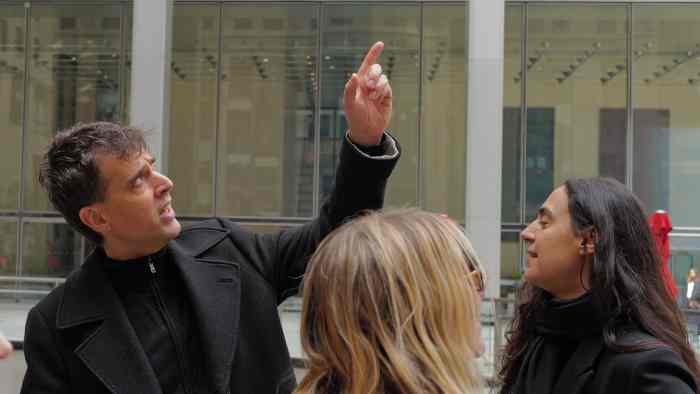
Meet Your Architect Guides

Our tours are led by architects and urban experts with deep knowledge of New York’s architecture, development, and city systems.

Each guide brings a unique perspective, combining professional experience with a passion for sharing the stories behind the city’s buildings and neighborhoods.

Tour Gallery

A glimpse into the architecture, streets, and spaces explored on this tour.

Practical Information

Accessibility

This tour involves moderate walking at a comfortable pace with regular stops. Some areas may include uneven surfaces. Please contact us in advance for specific accessibility needs.

What to Bring

Comfortable walking shoes and weather-appropriate clothing are recommended. In warmer months, bring water and sun protection. In cooler weather, dress in layers.

Weather Policy

Tours run rain or shine. In severe weather, we will contact you in advance to reschedule or provide alternatives.

Cancellation Policy

Public tours may be canceled or rescheduled up to 24 hours in advance for a full refund.

Private tours and group programs follow specific terms provided at booking.

Testimonials

Frequently Asked Questions


Is this tour suitable if I don’t have an architecture background?

Yes. Our tours are designed to be engaging and accessible to all visitors, whether you are an architecture enthusiast, a professional, or simply curious about the city.

Who is this tour designed for?

This tour is designed for architecture enthusiasts, cultural travelers, professionals, students, and curious New Yorkers interested in the intersection of architecture, urbanism, history, and city life.

How much walking is involved?

This is a walking tour covering approximately 1.5 miles. A moderate level of walking is required, with regular stops along the route.

Can this tour be customized?

Yes. Private tours and group programs can be tailored to your interests, schedule, and areas of focus.

   Still have some questions?

  Our team is happy to help you choose the right experience.

Discover New York Through Architecture

Join a public tour or plan a private experience tailored to your interests.

Explore More Architecture Tours in New York

Build Tours offers architecture tours across New York City’s most distinctive neighborhoods. Each experience is led by architects and urban experts who reveal the buildings, public spaces, and stories that shaped the city.