This architect-led walking tour explores Midtown Manhattan through a curated sequence of transportation hubs, hotel interiors, churches, corporate towers, and cultural institutions, tracing the evolution of interior architecture from the Beaux-Arts era to contemporary design.
One Vanderbilt and Grand Central Terminal
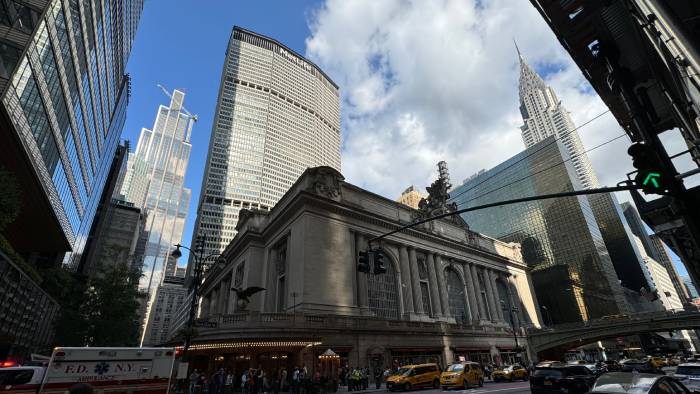
We begin at One Vanderbilt, where contemporary architecture, hospitality, and transportation infrastructure converge directly above Grand Central Terminal. Here, we examine how large-scale mixed-use developments integrate transit, public circulation, retail, and immersive interior environments within the contemporary city. Descending into Grand Central Terminal, we explore one of New York’s greatest civic interiors, focusing on circulation systems, monumental space, material richness, and the role of transportation architecture in shaping Midtown Manhattan.
Chrysler Building Lobby and Waldorf Astoria
Moving east along 42nd Street and Park Avenue, we encounter the interiors of the Chrysler Building and the Waldorf Astoria. This section explores how Art Deco architecture expressed speed, optimism, craftsmanship, and technological progress through decorative materials, lighting, geometry, and ceremonial public spaces.
St. Bartholomew’s Church and St. Thomas Church
Continuing north along Park Avenue and Fifth Avenue, we visit St. Bartholomew’s Church and St. Thomas Church, examining how ecclesiastical interiors create atmosphere, procession, light, and spatial hierarchy within Midtown’s dense commercial landscape.
Seagram Building and Lever House
Along Park Avenue, we encounter two of the most influential works of postwar corporate modernism. Here, we explore how modern architecture transformed workplace design through minimalist materials, structural clarity, transparency, and the integration of plazas and public space.
550 Madison Avenue
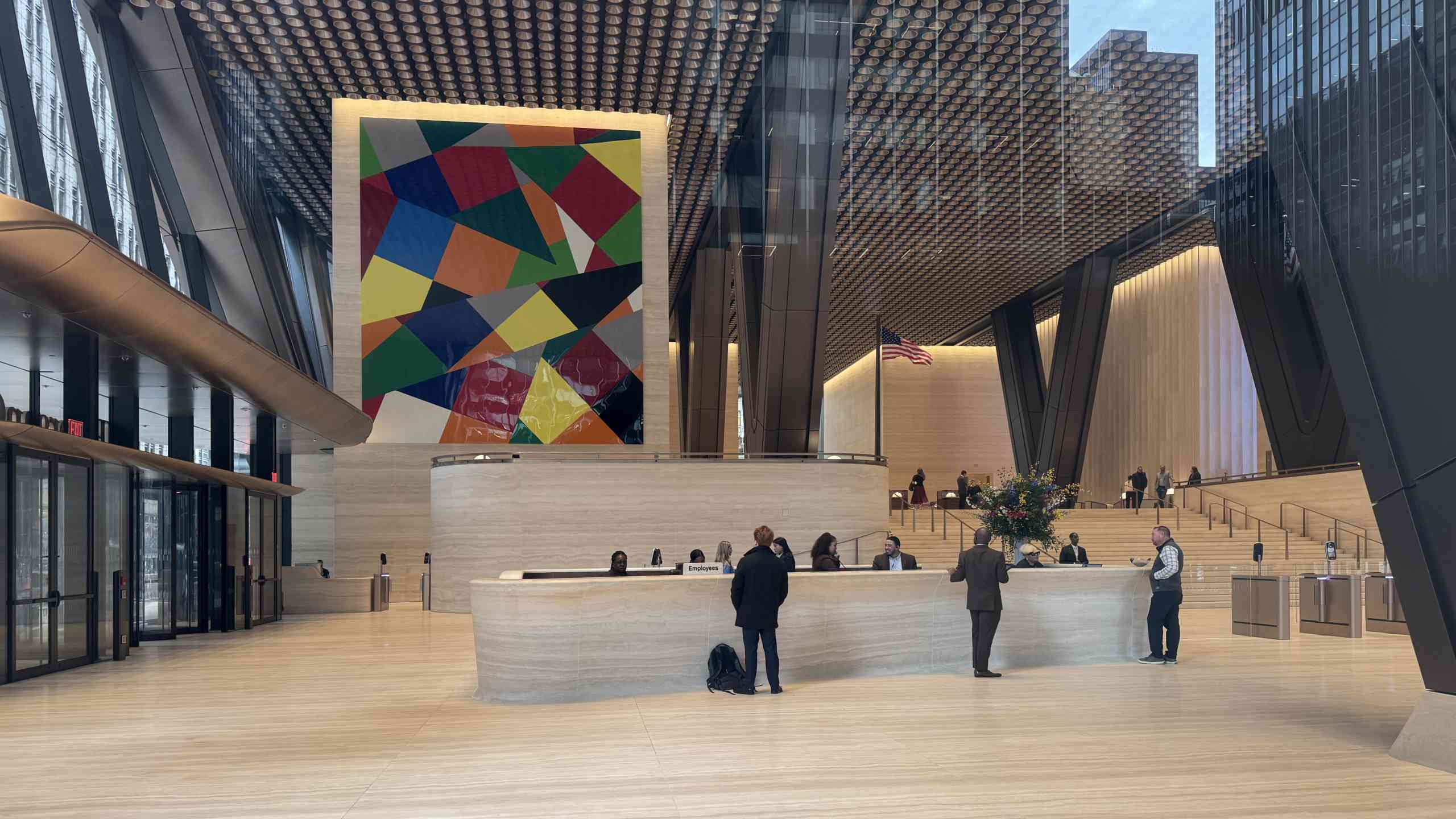
At 550 Madison Avenue, we examine Philip Johnson’s postmodern reinterpretation of the corporate tower and its recent renovation by Snøhetta. This section explores how symbolism, historical reference, monumental form, and contemporary restoration reshaped the language of commercial architecture in late twentieth-century New York.
Museum of Modern Art (MoMA)
The tour concludes at the Museum of Modern Art, where nearly a century of architectural interventions reveals the evolving relationship between art, circulation, public space, and museum design. Here, we reflect on how interior architecture shapes cultural experience and how Midtown continues to reinvent itself through architecture and design.
The itinerary may vary slightly depending on building access, lobby hours, and special events.