Downtown Brooklyn Architecture Tour

Explore New York’s architecture and urban life through architect-led walking tours and experiences.

Tour Overview

Discover the architectural transformation of Downtown Brooklyn, one of New York City’s fastest-growing urban centers and a district where historic civic landmarks, Art Deco skyscrapers, cultural institutions, brownstone streets, and contemporary towers coexist within a dramatically evolving skyline.

This architect-led walking tour explores how Brooklyn evolved from an independent 19th-century city into one of the world’s most dynamic urban environments. From Brooklyn Borough Hall and the Williamsburg Savings Bank Tower to BAM, Barclays Center, and the Brooklyn Tower, participants discover how architecture, infrastructure, culture, and development shaped Brooklyn’s identity across more than two centuries of urban growth.

Choose Your Experience

Choose the experience format that best fits your interests, schedule, and group size.

Private Tour

Flexible Size and Scheduling
Duration: 2 / 4 / 6 hours
In English, Spanish, Italian & French
Starting at $399

Group Program

Customized itineraries and themes
From 2 hours to multiple days
In English, Spanish, Italian & French
Price by request

Tour Highlights

Brooklyn Borough Hall (Gamaliel King, 1848)
One of Brooklyn’s most important civic landmarks, representing the borough’s independent identity before consolidation into New York City.

Williamsburg Savings Bank Tower (Halsey, McCormack & Helmer, 1929)
An iconic Art Deco skyscraper that defined the Brooklyn skyline for generations and remains one of the borough’s most recognizable landmarks.

The Brooklyn Tower / 9 DeKalb Avenue (SHoP Architects, 2023)
Brooklyn’s first supertall skyscraper, combining the restored Dime Savings Bank with a dramatic new residential tower that redefines the borough’s skyline.

Brooklyn Academy of Music – BAM (Herts & Tallant, 1908)
One of New York City’s most influential cultural institutions and a cornerstone of Brooklyn’s artistic and architectural identity.

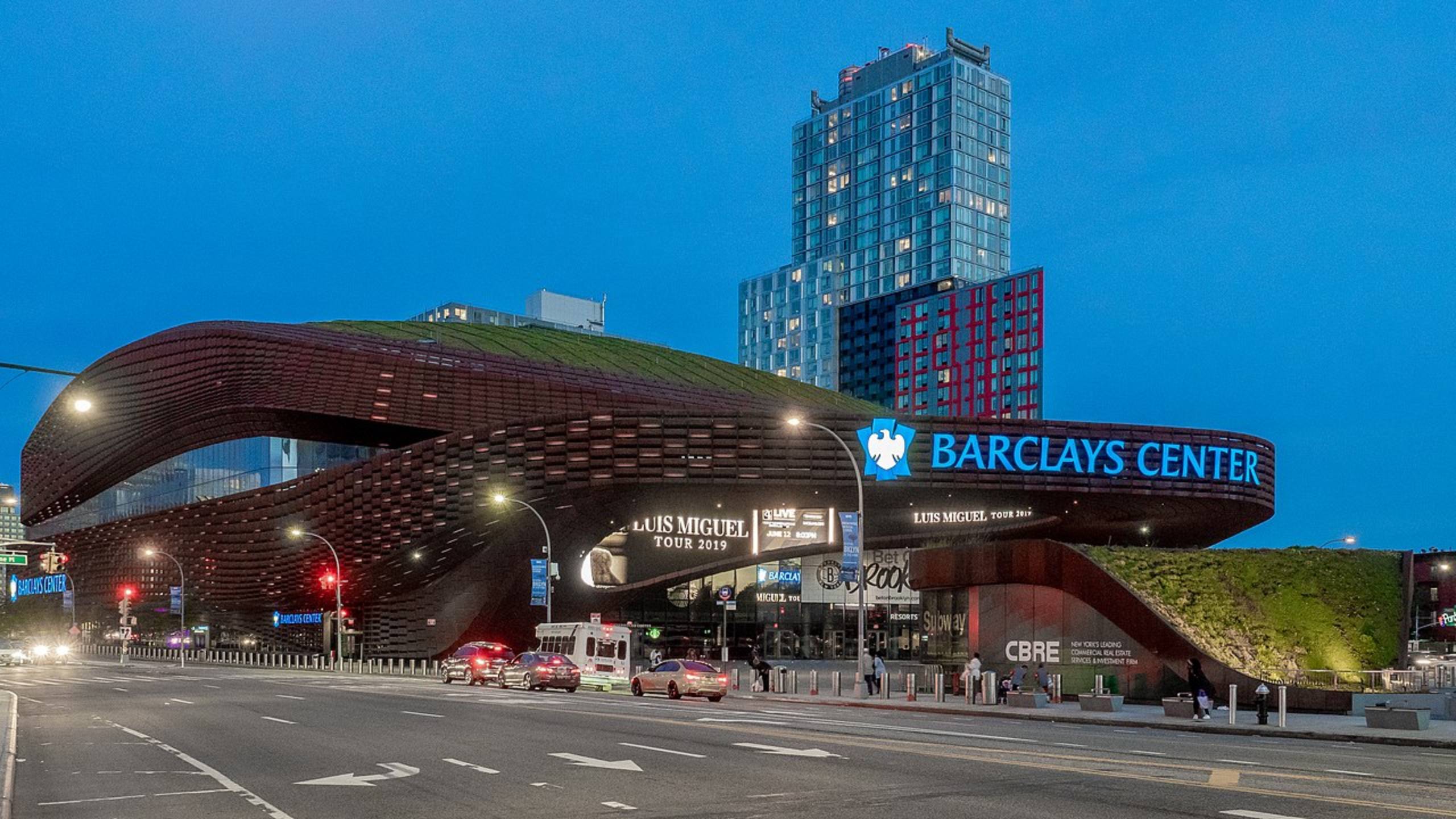
Barclays Center (SHoP Architects, 2012)
A landmark sports and entertainment venue whose distinctive design helped catalyze the transformation of Downtown Brooklyn in the twenty-first century.

Historic Brownstone Streets of Boerum Hill
Historic residential streets that showcase Brooklyn’s distinctive brownstone architecture and human-scaled urban character.

View Full List of Buildings and Sites on this Tour

A curated sequence of civic landmarks, historic skyscrapers, cultural institutions, adaptive reuse projects, contemporary towers, and historic streetscapes tracing the transformation of Downtown Brooklyn from an independent 19th-century city into one of New York’s most dynamic urban centers.

Civic Architecture and the Independent City of Brooklyn
Brooklyn Borough Hall (Gamaliel King, 1848)
Cadman Plaza Park and Brooklyn War Memorial (Gilmore D. Clarke and Kingston Heath, 1951)
Brooklyn Supreme Court Building / 360 Adams Street (Amos P. Cutting, 1932)
Brooklyn Law School / One Boerum Place (Emery Roth & Sons, 1970)
St. Francis College Campus (Gensler, 2022)

Historic Skyscrapers and the Evolution of the Brooklyn Skyline
Williamsburg Savings Bank Tower (Halsey, McCormack & Helmer, 1929)
Dime Savings Bank of Brooklyn (Mowbray & Uffinger, 1908)
The Brooklyn Tower / 9 DeKalb Avenue (SHoP Architects, 2023)
One Willoughby Square (FXCollaborative, 2021)
The Hub / 333 Schermerhorn Street (Dattner Architects, 2017)
Avalon Willoughby West (Perkins Eastman, 2016)
City Point Brooklyn (CookFox Architects, 2015–2016)
One Clinton (Marvel Architects, 2020)

Contemporary Residential Architecture and Adaptive Reuse
The Ashland (FXCollaborative, 2016)
The Boerum (Flank Architects, 2016)
The Edge Building (TEN Arquitectos, 2009)
The Polhemus Residences (Marshall Emery, 1897; restoration by BKSK Architects)
Offerman Building (Peter J. Lauritzen, 1893)

Culture, Performance, and Urban Regeneration
Brooklyn Academy of Music – BAM (Herts & Tallant, 1908)
BAM Fisher Building (H3 Hardy Collaboration Architecture, 2012)
Barclays Center (SHoP Architects, 2012)
Mark Morris Dance Center (Charles Rose Architects, 2001)
New York Transit Museum (former subway station by William Jerome, 1936)

Large-Scale Urban Development and Infrastructure
Pacific Park Brooklyn / Atlantic Yards (master development with SHoP Architects, CookFox, KPF, and others)

Historic Residential Streets and Brownstone Brooklyn
Row Houses of Boerum Hill and Downtown Brooklyn (Italianate, Neo-Grec, and Romanesque Revival styles, late 19th century)
Historic Streets of State Street and Schermerhorn Street
Fort Greene Historic District (primarily late 19th-century residential architecture)

Itinerary

Meeting Point: Brooklyn Borough Hall

This architect-led walking tour explores Downtown Brooklyn through a curated sequence of civic landmarks, historic skyscrapers, cultural institutions, contemporary developments, and brownstone streets, revealing how Brooklyn evolved from an independent city into one of New York’s most dynamic urban centers.

Brooklyn Civic Identity and the Independent City
We begin at Brooklyn Borough Hall and the surrounding civic center, where monumental public buildings and formal urban spaces reflect Brooklyn’s emergence as a major American city before its consolidation into New York in 1898. Here, we examine how civic architecture, government institutions, and public space shaped Brooklyn’s political and urban identity during the 19th and early 20th centuries.

The Rise of the Brooklyn Skyline
Moving through Downtown Brooklyn’s commercial core, we trace the borough’s vertical transformation through landmark skyscrapers and contemporary high-rise development. Buildings such as the Williamsburg Savings Bank Tower, the Dime Savings Bank, and the Brooklyn Tower reveal how architecture expressed economic ambition, technological progress, and changing ideas about urban density across nearly a century of skyline evolution.
Contemporary projects including One Willoughby Square, City Point, and major residential towers further illustrate Downtown Brooklyn’s emergence as a new center of commerce, housing, and urban growth in the 21st century.

Contemporary Brooklyn and Urban Transformation
Along the evolving residential corridors of Downtown Brooklyn and Boerum Hill, we encounter contemporary mixed-use developments, adaptive reuse projects, and large-scale urban interventions that reshaped Downtown Brooklyn’s urban landscape in recent decades.
Projects such as Pacific Park, The Boerum, and other residential towers reveal how architecture, infrastructure, and real estate development continue to redefine urban living and skyline identity in contemporary Brooklyn.

Historic Brownstones and the Human Scale of Brooklyn
The tour continues along the historic brownstone streets of Boerum Hill and nearby residential blocks, where preserved 19th-century row houses reveal the craftsmanship, urban intimacy, and residential character that continue to define Brooklyn’s architectural identity.
Here, we reflect on how Downtown Brooklyn evolved through the interaction of civic ambition, culture, commerce, preservation, and contemporary urban development into one of New York’s most dynamic and rapidly changing neighborhoods.

Culture, Performance, and Contemporary Brooklyn
The tour concludes in Brooklyn’s Cultural District and around Barclays Center, where architecture, infrastructure, performance, and large-scale urban redevelopment converge within one of New York’s fastest-changing neighborhoods.
Institutions such as the Brooklyn Academy of Music, the BAM Fisher Building, and the Mark Morris Dance Center reveal how culture and the arts helped drive Downtown Brooklyn’s revitalization, while Barclays Center and the surrounding Pacific Park development demonstrate the scale and ambition of contemporary urban transformation in the borough.
Here, we reflect on how Downtown Brooklyn evolved from an independent civic center into a global destination for culture, architecture, entertainment, and contemporary urban life.

Ending Point: Barclays Center

Key Themes

Brooklyn as an Independent City
Explore how Brooklyn developed its own civic identity, institutions, and architectural character before becoming part of Greater New York in 1898.

The Brooklyn Bridge and the Expansion of the Metropolis
Discover how the Brooklyn Bridge transformed the growth of Brooklyn, accelerating commerce, infrastructure, density, and the integration of Brooklyn into the expanding metropolis of New York.

The Rise of the Brooklyn Skyline
Trace the evolution of Brooklyn’s skyline from early Art Deco towers to contemporary supertalls such as the Brooklyn Tower, reflecting changing ideas about density, development, and urban identity.

Culture, Performance, and Urban Regeneration
Explore how institutions such as BAM and Barclays Center helped transform Downtown Brooklyn into one of New York’s leading cultural and entertainment districts through architecture, public investment, and redevelopment.

Preservation, Adaptive Reuse, and Contemporary Development
Examine how historic buildings, industrial structures, and commercial landmarks were preserved and transformed alongside new residential towers, mixed-use developments, and large-scale urban interventions.

Brownstones and the Human Scale of Brooklyn
Discover how the historic row houses and residential streets of Boerum Hill and surrounding neighborhoods continue to define Brooklyn’s distinctive urban character and residential identity.

Infrastructure and Urban Transformation
From subway networks and transportation hubs to large-scale redevelopment projects and urban renewal, explore how infrastructure shaped Downtown Brooklyn’s growth as a major center of commerce, mobility, and metropolitan life.

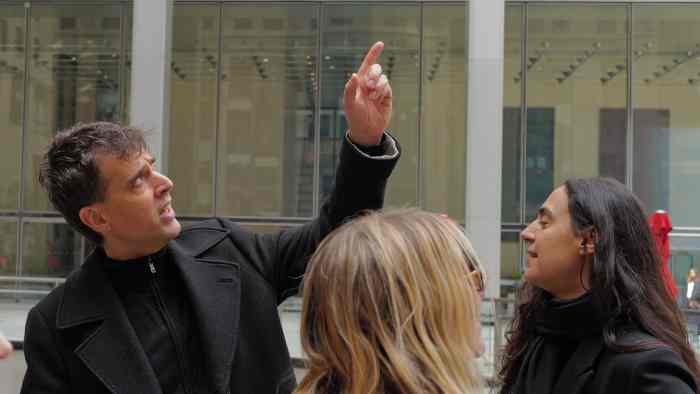
Meet Your Architect Guides

Our tours are led by architects and urban experts with deep knowledge of New York’s architecture, development, and city systems.

Each guide brings a unique perspective, combining professional experience with a passion for sharing the stories behind the city’s buildings and neighborhoods.

Tour Gallery

A glimpse into the architecture, streets, and spaces explored on this tour.

Practical Information

Accessibility

This tour involves moderate walking at a comfortable pace with regular stops. Some areas may include uneven surfaces. Please contact us in advance for specific accessibility needs.

What to Bring

Comfortable walking shoes and weather-appropriate clothing are recommended. In warmer months, bring water and sun protection. In cooler weather, dress in layers.

Weather Policy

Tours run rain or shine. In severe weather, we will contact you in advance to reschedule or provide alternatives.

Cancellation Policy

Public tours may be canceled or rescheduled up to 24 hours in advance for a full refund.

Private tours and group programs follow specific terms provided at booking.

Testimonials

Frequently Asked Questions


Is this tour suitable if I don’t have an architecture background?

Yes. Our tours are designed to be engaging and accessible to all visitors, whether you are an architecture enthusiast, a professional, or simply curious about the city.

Who is this tour designed for?

This tour is designed for architecture enthusiasts, cultural travelers, professionals, students, and curious New Yorkers interested in the intersection of architecture, urbanism, history, and city life.

How much walking is involved?

This is a walking tour covering approximately 1.5 miles. A moderate level of walking is required, with regular stops along the route.

Can this tour be customized?

Yes. Private tours and group programs can be tailored to your interests, schedule, and areas of focus.

   Still have some questions?

  Our team is happy to help you choose the right experience.

Discover New York Through Architecture

Join a public tour or plan a private experience tailored to your interests.

Explore More Architecture Tours in New York

Build Tours offers architecture tours across New York City’s most distinctive neighborhoods. Each experience is led by architects and urban experts who reveal the buildings, public spaces, and stories that shaped the city.