Central Park Landscape Architecture Tour

Explore New York’s architecture and urban life through architect-led walking tours and experiences.

Tour Overview

Discover Central Park through the lens of landscape architecture, urban planning, and civic design on this architect-led walking tour of one of the world’s most influential public spaces. Designed by Frederick Law Olmsted and Calvert Vaux, Central Park transformed Manhattan through a revolutionary vision that brought nature, recreation, infrastructure, and public life into the heart of a rapidly growing city.

Moving through iconic spaces such as Bethesda Terrace, Bow Bridge, Belvedere Castle, Strawberry Fields, and the Jacqueline Kennedy Onassis Reservoir, the tour reveals how every landscape, pathway, bridge, and vista was carefully designed to shape movement, atmosphere, and social experience. Along the way, participants discover how Central Park influenced urban planning, public space design, and landscape architecture around the world.

Choose Your Experience

Choose the experience format that best fits your interests, schedule, and group size.

Private Tour

Flexible Size and Scheduling
Duration: 2 / 4 / 6 hours
In English, Spanish, Italian & French
Starting at $399

Group Program

Customized itineraries and themes
From 2 hours to multiple days
In English, Spanish, Italian & French
Price by request

Tour Highlights

Central Park (Frederick Law Olmsted and Calvert Vaux, 1858–1876)
One of the world’s most influential landscape architecture projects, transforming the relationship between nature, public space, recreation, and urban life.

Bethesda Terrace and Fountain (Calvert Vaux and Jacob Wrey Mould, 1864–1873; fountain sculpture by Emma Stebbins, 1873)
The architectural and symbolic heart of Central Park, where landscape, sculpture, craftsmanship, and public life converge in one of New York City’s most celebrated civic spaces.

Bow Bridge (Calvert Vaux and Jacob Wrey Mould, 1862)
One of Central Park’s most iconic landmarks, offering picturesque views while demonstrating the integration of engineering, landscape design, and scenic composition.

Belvedere Castle (Calvert Vaux and Jacob Wrey Mould, 1869)
A romantic architectural folly that combines panoramic views, landscape design, and Victorian ideas about nature, science, and recreation.

Cleopatra’s Needle (ancient Egyptian obelisk, c. 1450 BC; installed in Central Park, 1881)
One of New York’s oldest monuments, connecting Central Park to the global history of empire, archaeology, and cultural exchange.

Strawberry Fields (landscape design by Bruce Kelly, dedicated 1985)
A celebrated memorial landscape dedicated to John Lennon, demonstrating how public space can become a place of memory, reflection, and cultural identity.

View Full List of Buildings and Sites on this Tour

A curated sequence of landscapes, bridges, terraces, monuments, architectural landmarks, infrastructure, and civic spaces revealing the evolution of Central Park as one of the world’s most influential works of landscape architecture and urban design.

Landscapes, Public Space, and Urban Design
Central Park (Frederick Law Olmsted and Calvert Vaux, 1858–1876)
Grand Army Plaza (Carrère & Hastings, 1916)
Central Park Mall and Literary Walk (Frederick Law Olmsted and Calvert Vaux, 1858–1873)
Sheep Meadow (Frederick Law Olmsted and Calvert Vaux, designed 1858; opened 1864)
Cherry Hill (Frederick Law Olmsted and Calvert Vaux, 19th century)
The Ramble (Frederick Law Olmsted and Calvert Vaux, 1850s–1860s)
The Great Lawn (created during 1930s park reconstruction under Robert Moses administration)
Jacqueline Kennedy Onassis Reservoir / Croton Receiving Reservoir (completed 1862; transformed into recreational landscape in the 20th century)

Bridges, Circulation, and Scenic Infrastructure
Gapstow Bridge (Howard & Caudwell, 1896)
Bow Bridge (Calvert Vaux and Jacob Wrey Mould, 1862)
Balcony Bridge (Calvert Vaux and Jacob Wrey Mould, 1860s)
Oak Bridge (Calvert Vaux and Jacob Wrey Mould, 1860s)

Architectural Structures and Park Follies
Belvedere Castle (Calvert Vaux and Jacob Wrey Mould, 1869)
The Dairy (Calvert Vaux, 1870)
Ladies Pavilion (Jacob Wrey Mould, 1871)
The Arsenal (Martin E. Thompson, 1848–1851)
South Gate House / Gatekeeper’s House (Central Park infrastructure structure, 19th century)
Loeb Boathouse (original structure 1873; current structure redesigned by Stuart Constable, 1954)

Civic Monuments, Sculpture, and Cultural Memory
Bethesda Terrace and Fountain (Calvert Vaux and Jacob Wrey Mould, 1864–1873; Angel of the Waters sculpture by Emma Stebbins, 1873)
Cleopatra’s Needle / Egyptian Obelisk (created c. 1450 BC; installed in Central Park, 1881)
Strawberry Fields Memorial (landscape by Bruce Kelly, dedicated 1985)

Museums, Cultural Institutions, and the Park Edge
The Metropolitan Museum of Art (Calvert Vaux and Jacob Wrey Mould, 1874; expansion by McKim, Mead & White, 1902 and later additions)
The Dakota Apartments (Henry J. Hardenbergh, 1880–1884)
American Museum of Natural History (multiple phases, 1870s–2024)
Delacorte Theater (1962; renovation by Ennead Architects 2025)

Itinerary

Meeting Point: Grand Army Plaza

This architect-led walking tour explores Central Park through a curated sequence of landscapes, bridges, monuments, architectural landmarks, and engineered environments, revealing how landscape architecture transformed the relationship between nature and urban life in New York City.

Grand Army Plaza and the Urban Edge of Central Park
Explore how Central Park transformed the relationship between nature, public space, and urban life at the edge of Fifth Avenue and Midtown Manhattan.

The Mall and Bethesda Terrace — Democratic Public Space and Civic Landscape
Discover how Olmsted and Vaux designed movement, gathering, and social life through one of the park’s most celebrated architectural and landscape compositions.

Bow Bridge and the Picturesque Landscape
Experience the romantic scenery of Central Park through bridges, lakes, and carefully choreographed views designed to create the illusion of natural wilderness within the modern city.

Strawberry Fields and the Landscape of Memory
Examine how Central Park evolved into a place of collective memory, cultural identity, and reflection through one of its most beloved contemporary memorial landscapes.

Belvedere Castle and the Picturesque Landscape
Explore how architecture, topography, water, and vegetation merge into a theatrical landscape composition shaped by Romantic and Picturesque ideals.

Monuments, Infrastructure, and the Modern Metropolis
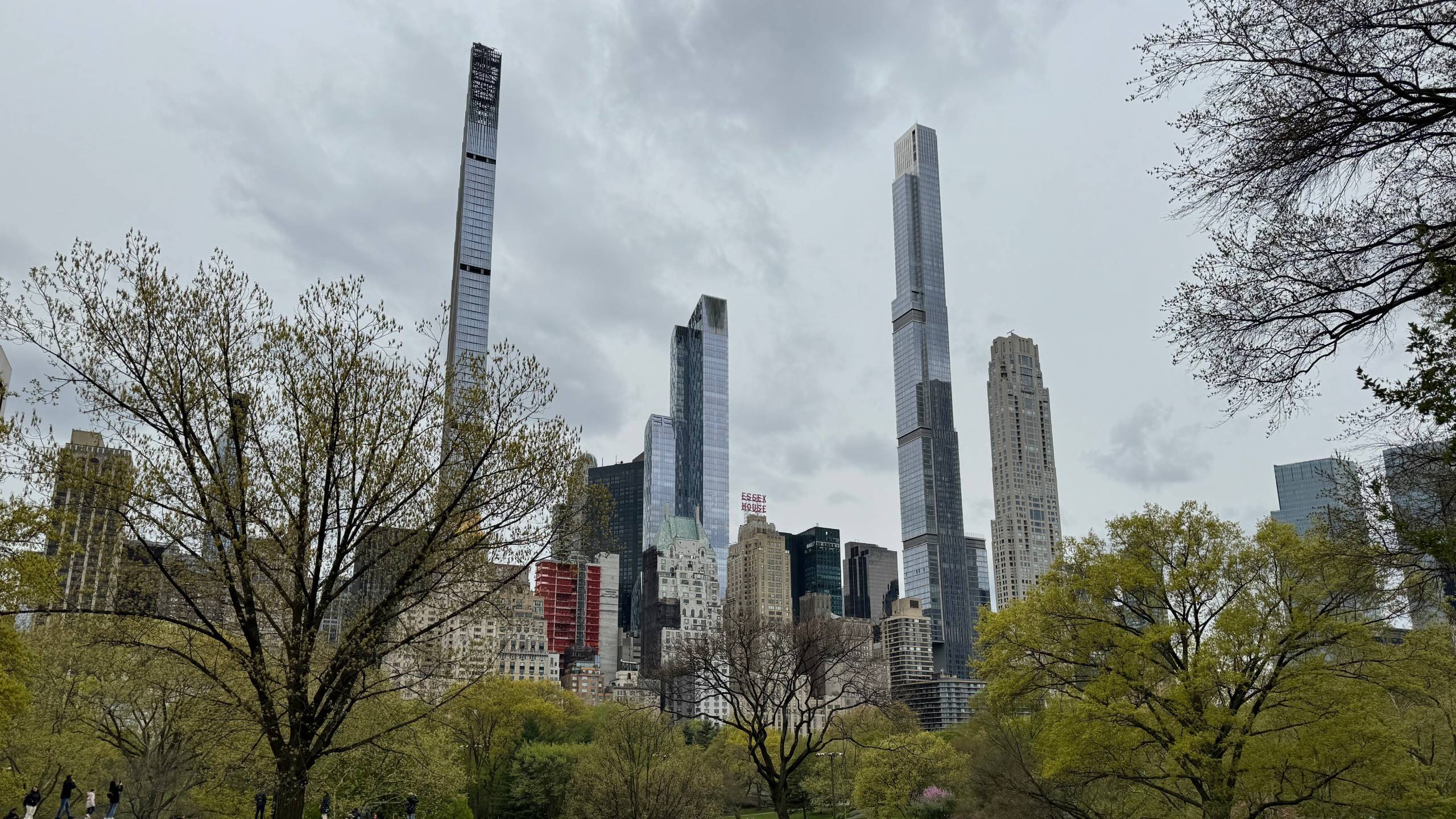
Near Cleopatra’s Needle and the Jacqueline Kennedy Onassis Reservoir, we explore how Central Park evolved into a landscape of infrastructure, memory, and civic identity. Here, ancient monuments, engineered water systems, skyline views, and cultural institutions reveal the park’s role not only as a place of recreation, but as a reflection of New York’s emergence as a global metropolis.

Ending Point: Jacqueline Kennedy Onassis Reservoir

Key Themes

The Invention of Urban Nature
Explore how Central Park redefined the relationship between city life and nature through one of the world’s first large-scale urban landscape projects.

Landscape Architecture and the Picturesque Movement
Discover how Frederick Law Olmsted and Calvert Vaux used topography, water, vegetation, pathways, and framed views to create carefully orchestrated naturalistic landscapes inspired by Romantic and Picturesque traditions.

Public Space and Democratic Urban Life
Examine how Central Park was conceived as a democratic civic space designed for all social classes, transforming ideas about recreation, gathering, movement, and public life in the modern city.

Architecture in Harmony with Landscape
From Bethesda Terrace and Bow Bridge to Belvedere Castle and the Dairy, explore how architecture was integrated into the park as part of a unified scenic composition.

Infrastructure Hidden Within the Landscape
Trace how circulation systems, bridges, reservoirs, drainage, and engineered topography were concealed within the park to create the illusion of untouched nature in the center of Manhattan.

Central Park and the Development of Manhattan
Discover how Central Park transformed the growth of surrounding neighborhoods, cultural institutions, and luxury residential districts while reshaping the urban identity of New York.

Monuments, Memory, and Cultural Identity
From Cleopatra’s Needle to Strawberry Fields, examine how monuments, memorials, and public art transformed Central Park into a landscape of collective memory and cultural symbolism.

Nature, Health, and Urban Wellbeing
Explore how Central Park emerged as a response to industrialization, density, and public health concerns, establishing new ideas about wellness, recreation, and environmental quality in urban life.

The Park as a Cultural and Civic Landscape
Examine how museums, performance spaces, and cultural institutions along the park edge helped establish Central Park as one of the world’s most influential civic and cultural environments.

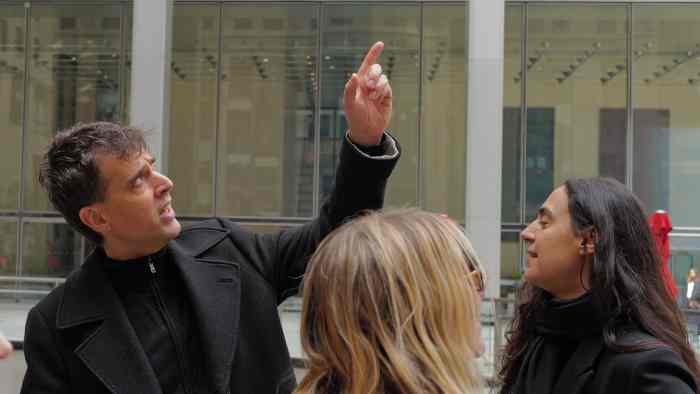
Meet Your Architect Guides

Our tours are led by architects and urban experts with deep knowledge of New York’s architecture, development, and city systems.

Each guide brings a unique perspective, combining professional experience with a passion for sharing the stories behind the city’s buildings and neighborhoods.

Tour Gallery

A glimpse into the architecture, streets, and spaces explored on this tour.

Practical Information

Accessibility

This tour involves moderate walking at a comfortable pace with regular stops. Some areas may include uneven surfaces. Please contact us in advance for specific accessibility needs.

What to Bring

Comfortable walking shoes and weather-appropriate clothing are recommended. In warmer months, bring water and sun protection. In cooler weather, dress in layers.

Weather Policy

Tours run rain or shine. In severe weather, we will contact you in advance to reschedule or provide alternatives.

Cancellation Policy

Public tours may be canceled or rescheduled up to 24 hours in advance for a full refund.

Private tours and group programs follow specific terms provided at booking.

Testimonials

Frequently Asked Questions


Is this tour suitable if I don’t have an architecture background?

Yes. Our tours are designed to be engaging and accessible to all visitors, whether you are an architecture enthusiast, a professional, or simply curious about the city.

Who is this tour designed for?

This tour is designed for architecture enthusiasts, cultural travelers, professionals, students, and curious New Yorkers interested in the intersection of architecture, urbanism, history, and city life.

How much walking is involved?

This is a walking tour covering approximately 1.5 miles. A moderate level of walking is required, with regular stops along the route.

Can this tour be customized?

Yes. Private tours and group programs can be tailored to your interests, schedule, and areas of focus.

   Still have some questions?

  Our team is happy to help you choose the right experience.

Discover New York Through Architecture

Join a public tour or plan a private experience tailored to your interests.

Explore More Architecture Tours in New York

Build Tours offers architecture tours across New York City’s most distinctive neighborhoods. Each experience is led by architects and urban experts who reveal the buildings, public spaces, and stories that shaped the city.