Midtown Interior Architecture Tour

Explore New York’s architecture and urban life through architect-led walking tours and experiences.

Tour Overview

Step inside some of Midtown Manhattan’s most remarkable interiors and discover how architecture shapes the experience of New York from within. This architect-led walking tour explores a curated sequence of landmark spaces, including Grand Central Terminal, the Chrysler Building Lobby, the Waldorf Astoria, the Seagram Building, 550 Madison Avenue, and the Museum of Modern Art.

Tracing more than a century of architectural history, the experience reveals the evolution of New York through Beaux-Arts transportation halls, Art Deco masterpieces, modern corporate interiors, postmodern landmarks, and contemporary cultural spaces. Along the way, participants discover how architects use light, structure, circulation, proportion, and materiality to shape the atmosphere and identity of buildings while influencing the daily experience of millions of people.

Along the way, participants experience how architects use light, structure, proportion, circulation, and materiality to shape the atmosphere and identity of buildings while shaping the movement and experience of millions of people each day. The tour also explores how changing technologies, economic forces, corporate culture, and urban ambition transformed the interiors of Midtown Manhattan and helped establish New York as a global capital of architecture, commerce, and design.

Choose Your Experience

Choose the experience format that best fits your interests, schedule, and group size.

Private Tour

Flexible Size and Scheduling
Duration: 2 / 4 / 6 hours
In English, Spanish, Italian & French
Starting at $399

Group Program

Customized itineraries and themes
From 2 hours to multiple days
In English, Spanish, Italian & French
Price by request

Tour Highlights

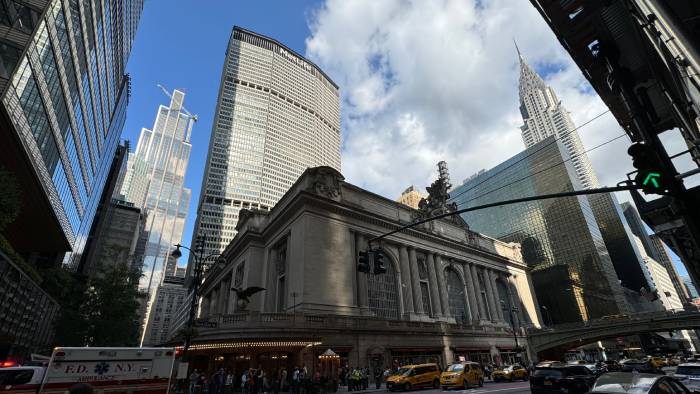
Grand Central Terminal (Reed & Stem and Warren & Wetmore, 1913)
One of New York City’s most celebrated interior spaces, combining Beaux-Arts architecture, monumental scale, transportation infrastructure, and extraordinary civic design.

Chrysler Building Lobby (William Van Alen, 1930)
One of the world’s most celebrated Art Deco interiors, renowned for its geometric murals, exotic materials, decorative craftsmanship, and dramatic spatial experience.

Waldorf Astoria New York Public Interiors (Schultze & Weaver, 1931; restored 2025)
An iconic Art Deco hotel whose public interiors helped define luxury hospitality design in twentieth-century New York.

Seagram Building Lobby and Plaza (Mies van der Rohe with Philip Johnson, 1958)
Mies van der Rohe’s modernist masterpiece, whose lobby and plaza transformed corporate architecture and influenced office design around the world.

550 Madison Avenue (Philip Johnson and John Burgee, 1984; renovation by Snøhetta, 2022)
Philip Johnson’s iconic postmodern landmark, reimagined through a major renovation that introduced new public and interior spaces while preserving its architectural identity.

Museum of Modern Art (Goodwin & Stone, 1939; expansions by Philip Johnson, César Pelli, Yoshio Taniguchi, and Diller Scofidio + Renfro)
One of the world’s leading museums of modern and contemporary art, renowned for its evolving sequence of galleries, public spaces, and architectural interventions.

View Full List of Buildings and Sites on this Tour

A curated selection of landmark interiors, hotels, transportation spaces, corporate towers, museums, and public interiors tracing the evolution of Midtown Manhattan from the Beaux-Arts era to contemporary New York.

Historic Religious and Civic Architecture
Grand Central Terminal (Reed & Stem; Warren & Wetmore, 1913)
St. Thomas Church (Ralph Adams Cram, 1914)
St. Bartholomew’s Church (Bertram Goodhue; earlier phases by Robert W. Gibson, 1918)

Art Deco Architecture and the Machine Age
Chrysler Building (William Van Alen, 1930)
Waldorf Astoria New York (Schultze & Weaver, 1931; restoration by SOM, 2024)

Modern Architecture and Corporate Modernism
Lever House (Skidmore, Owings & Merrill / Gordon Bunshaft, 1952–1953)
Seagram Building (Ludwig Mies van der Rohe with Philip Johnson, 1958)

MetLife Building (Emery Roth & Sons with Pietro Belluschi and Walter Gropius / TAC, 1963)
St. Peter’s Church (Hugh Stubbins; interior elements by Donald Judd and others, 1977)

Postmodern Architecture
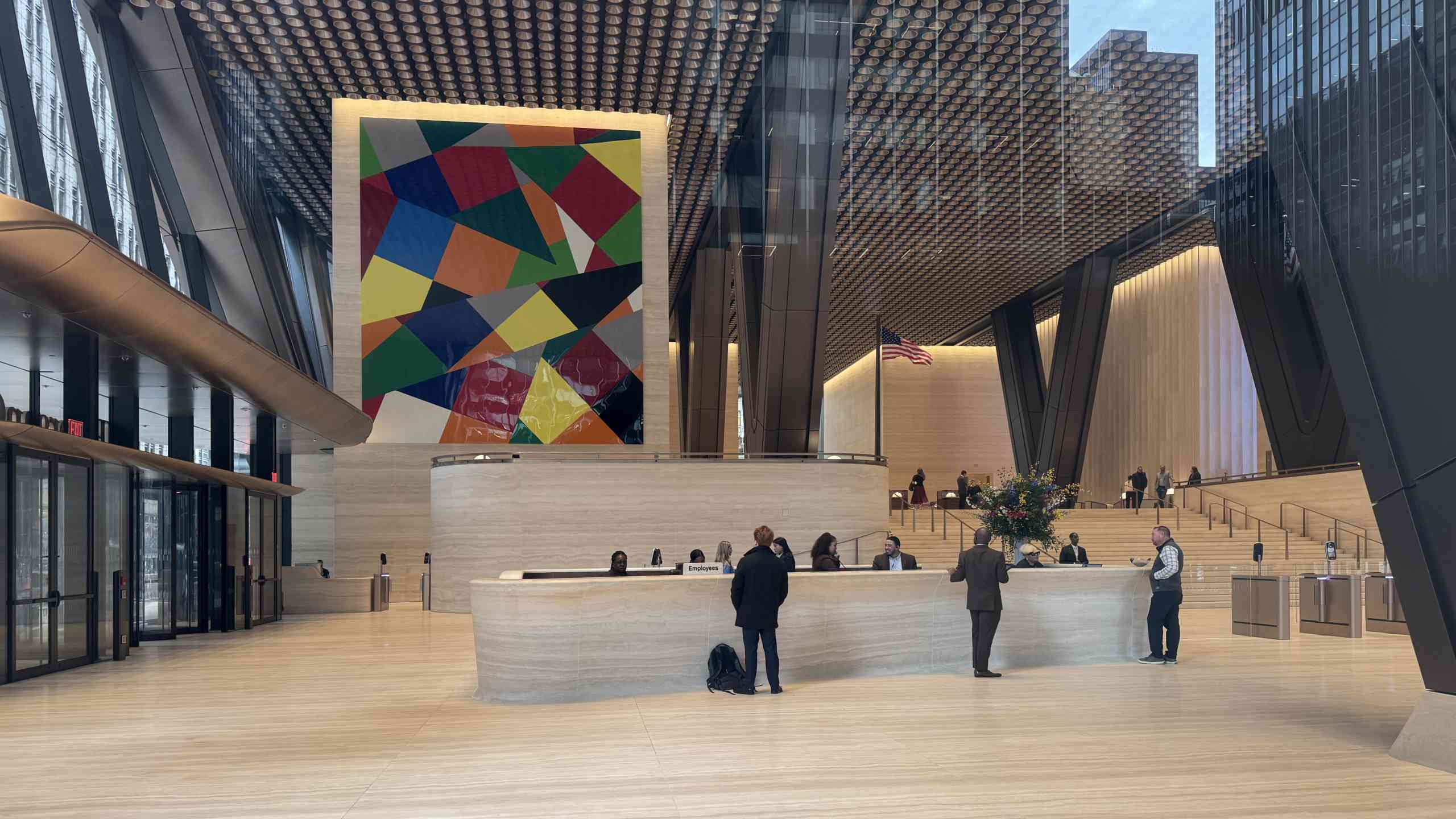
550 Madison Avenue (Philip Johnson & John Burgee, 1984; renovation by Snøhetta, 2022)

Contemporary Architecture and Urban Transformation
One Vanderbilt (Kohn Pedersen Fox, 2020)
270 Park Avenue (Foster + Partners, 2025)
Museum of Modern Art (Goodwin & Stone, 1939; expansions by Yoshio Taniguchi, 2004, and Diller Scofidio + Renfro, 2019)

Itinerary

Meeting Point: One Vanderbilt Plaza

This architect-led walking tour explores Midtown Manhattan through a curated sequence of transportation hubs, hotel interiors, churches, corporate towers, and cultural institutions, tracing the evolution of interior architecture from the Beaux-Arts era to contemporary design.

One Vanderbilt and Grand Central — Infrastructure and Contemporary Urban Experience
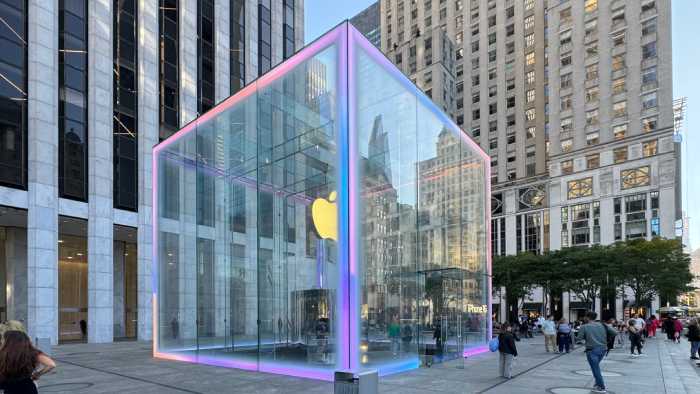
We begin at One Vanderbilt, where contemporary architecture, hospitality, and transportation infrastructure converge directly above Grand Central Terminal. Here, we examine how large-scale mixed-use developments integrate transit, public circulation, retail, and immersive interior environments within the contemporary city. Descending into Grand Central Terminal, we explore one of New York’s greatest civic interiors, focusing on circulation systems, monumental space, material richness, and the role of transportation architecture in shaping Midtown Manhattan.

Art Deco Luxury and the Machine Age
Moving east along 42nd Street and Park Avenue, we encounter the interiors of the Chrysler Building and the Waldorf Astoria New York. This section explores how Art Deco architecture expressed speed, optimism, craftsmanship, and technological progress through decorative materials, lighting, geometry, and ceremonial public spaces.

Religious Space and Monumental Craftsmanship
Continuing north along Park Avenue and Fifth Avenue, we visit St. Bartholomew’s Church and St. Thomas Church, examining how ecclesiastical interiors create atmosphere, procession, light, and spatial hierarchy within the dense commercial environment of Midtown.

Corporate Modernism and the International Style
Along Park Avenue, we encounter some of the most influential interiors of postwar corporate modernism, including Lever House, Seagram Building, and the MetLife Building. Here, we explore how modern architecture transformed workplace design through minimalist materials, transparency, structural clarity, and the integration of plazas and public space.

Postmodernism and the Reinvention of Interior Space
At 550 Madison Avenue, we examine Philip Johnson’s postmodern reinterpretation of the corporate tower and its recent renovation by Snøhetta. This section explores how symbolism, historical references, monumental scale, and contemporary restoration reshaped the language of commercial interiors in late 20th-century New York.

MoMA and the Evolution of Contemporary Museum Space
The tour concludes at the Museum of Modern Art, where multiple architectural interventions spanning nearly a century reveal the evolving relationship between art, circulation, public space, and contemporary museum design. Here, we reflect on how interior architecture shapes cultural experience and how Midtown continues to reinvent itself through architecture, design, and urban life.

The itinerary may vary slightly depending on building access, lobby hours, and special events.

Ending Point: Museum of Modern Art (MoMA)

Key Themes

Interior Architecture and the Evolution of New York
Trace the transformation of interior architecture in Midtown Manhattan from Beaux-Arts monumentality and Art Deco craftsmanship to modern corporate minimalism, postmodern symbolism, and contemporary spatial design.

Grand Central and the Architecture of Movement
Explore how Grand Central Terminal redefined transportation architecture through monumental interiors, circulation systems, celestial imagery, and the orchestration of movement at metropolitan scale.

Art Deco Luxury and the Machine Age
From the Chrysler Building to the Waldorf Astoria New York, examine how Art Deco interiors expressed speed, glamour, craftsmanship, and technological optimism through geometry, lighting, ornament, and luxurious materials.

Modernism and Corporate Interior Space
Through landmarks such as Lever House, Seagram Building, and the MetLife Building, discover how modern architecture transformed workplace environments through openness, minimalism, structural clarity, and new relationships between interior and exterior space.

Sacred Space and Atmosphere in Midtown
Explore how religious interiors such as St. Bartholomew’s Church and St. Thomas Church create atmosphere, procession, light, and material richness within the dense commercial landscape of Midtown Manhattan.

Postmodernism and the Return of Symbolism
Examine how 550 Madison Avenue challenged the austerity of modernism through historical references, theatrical space, and expressive architectural form, redefining corporate interiors in the late 20th century.

Contemporary Interiors and the Experience of the City
From One Vanderbilt to the Museum of Modern Art, explore how contemporary architecture integrates hospitality, retail, culture, infrastructure, and public space into immersive urban experiences shaped by technology and global capital.

Meet Your Architect Guides

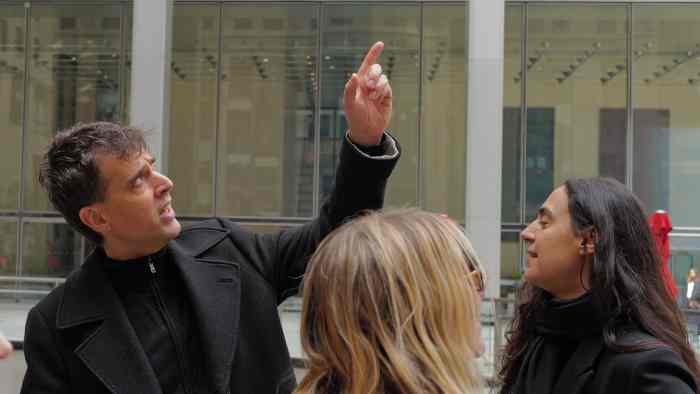
Our tours are led by architects and urban experts with deep knowledge of New York’s architecture, development, and city systems.

Each guide brings a unique perspective, combining professional experience with a passion for sharing the stories behind the city’s buildings and neighborhoods.

Tour Gallery

A glimpse into the architecture, streets, and spaces explored on this tour.

Practical Information

Accessibility

This tour involves moderate walking at a comfortable pace with regular stops. Some areas may include uneven surfaces. Please contact us in advance for specific accessibility needs.

What to Bring

Comfortable walking shoes and weather-appropriate clothing are recommended. In warmer months, bring water and sun protection. In cooler weather, dress in layers.

Weather Policy

Tours run rain or shine. In severe weather, we will contact you in advance to reschedule or provide alternatives.

Cancellation Policy

Public tours may be canceled or rescheduled up to 24 hours in advance for a full refund.

Private tours and group programs follow specific terms provided at booking.

Testimonials

Frequently Asked Questions


Is this tour suitable if I don’t have an architecture background?

Yes. Our tours are designed to be engaging and accessible to all visitors, whether you are an architecture enthusiast, a professional, or simply curious about the city.

Who is this tour designed for?

This tour is designed for architecture enthusiasts, cultural travelers, professionals, students, and curious New Yorkers interested in the intersection of architecture, urbanism, history, and city life.

How much walking is involved?

This is a walking tour covering approximately 1.5 miles. A moderate level of walking is required, with regular stops along the route.

Can this tour be customized?

Yes. Private tours and group programs can be tailored to your interests, schedule, and areas of focus.

   Still have some questions?

  Our team is happy to help you choose the right experience.

Discover New York Through Architecture

Join a public tour or plan a private experience tailored to your interests.

Explore More Architecture Tours in New York

Build Tours offers architecture tours across New York City’s most distinctive neighborhoods. Each experience is led by architects and urban experts who reveal the buildings, public spaces, and stories that shaped the city.