A curated sequence of civic landmarks, historic skyscrapers, cultural institutions, adaptive reuse projects, contemporary towers, and historic streetscapes tracing the transformation of Downtown Brooklyn from an independent 19th-century city into one of New York’s most dynamic urban centers.
Civic Architecture and the Independent City of Brooklyn
Brooklyn Borough Hall (Gamaliel King, 1848)
Cadman Plaza Park and Brooklyn War Memorial (Gilmore D. Clarke and Kingston Heath, 1951)
Brooklyn Supreme Court Building / 360 Adams Street (Amos P. Cutting, 1932)
Brooklyn Law School / One Boerum Place (Emery Roth & Sons, 1970)
St. Francis College Campus (Gensler, 2022)
Historic Skyscrapers and the Evolution of the Brooklyn Skyline
Williamsburg Savings Bank Tower (Halsey, McCormack & Helmer, 1929)
Dime Savings Bank of Brooklyn (Mowbray & Uffinger, 1908)
The Brooklyn Tower / 9 DeKalb Avenue (SHoP Architects, 2023)
One Willoughby Square (FXCollaborative, 2021)
The Hub / 333 Schermerhorn Street (Dattner Architects, 2017)
Avalon Willoughby West (Perkins Eastman, 2016)
City Point Brooklyn (CookFox Architects, 2015–2016)
One Clinton (Marvel Architects, 2020)
Contemporary Residential Architecture and Adaptive Reuse
The Ashland (FXCollaborative, 2016)
The Boerum (Flank Architects, 2016)
The Edge Building (TEN Arquitectos, 2009)
The Polhemus Residences (Marshall Emery, 1897; restoration by BKSK Architects)
Offerman Building (Peter J. Lauritzen, 1893)
Culture, Performance, and Urban Regeneration
Brooklyn Academy of Music – BAM (Herts & Tallant, 1908)
BAM Fisher Building (H3 Hardy Collaboration Architecture, 2012)
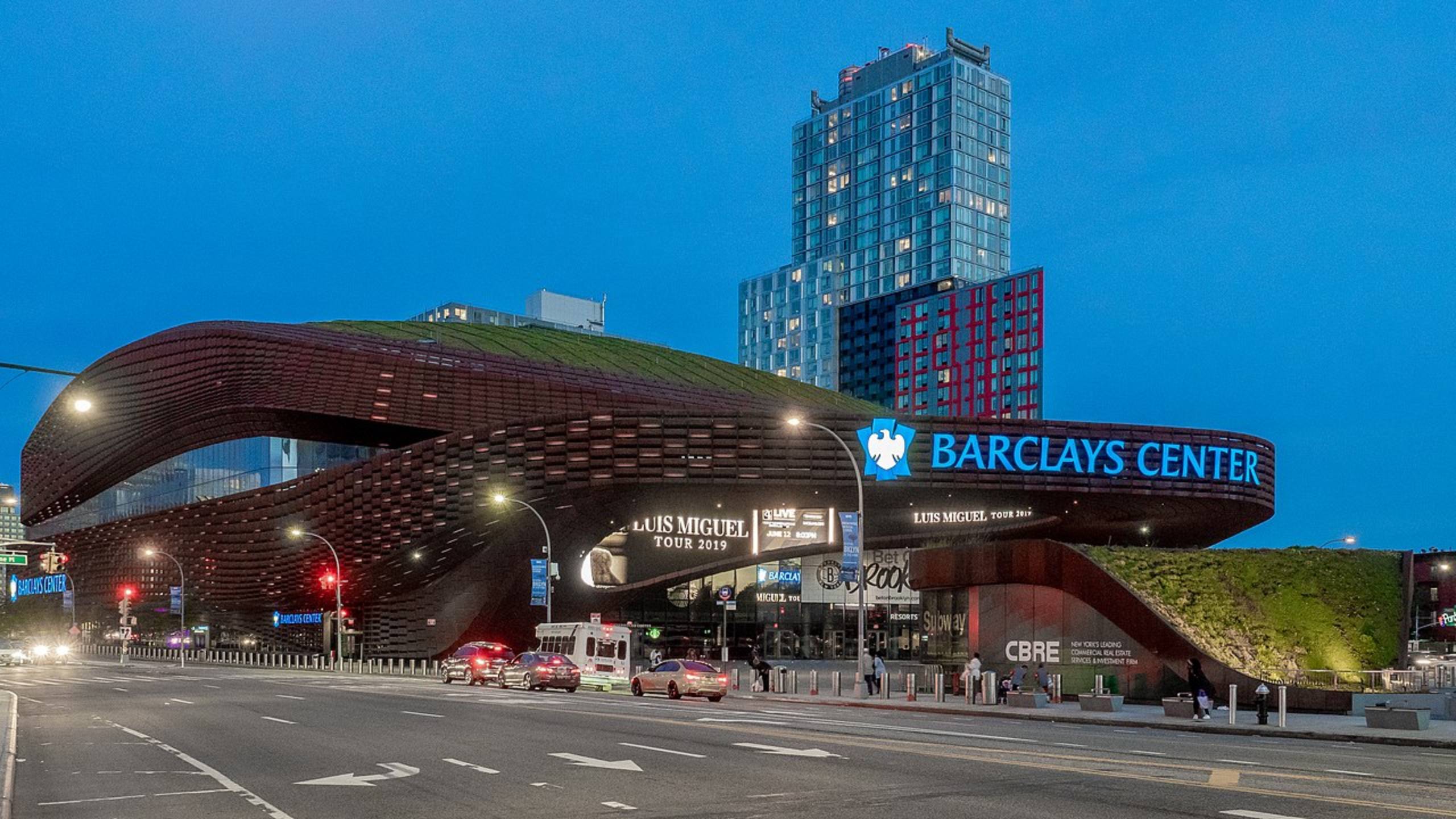
Barclays Center (SHoP Architects, 2012)
Mark Morris Dance Center (Charles Rose Architects, 2001)
New York Transit Museum (former subway station by William Jerome, 1936)
Large-Scale Urban Development and Infrastructure
Pacific Park Brooklyn / Atlantic Yards (master development with SHoP Architects, CookFox, KPF, and others)
Historic Residential Streets and Brownstone Brooklyn
Row Houses of Boerum Hill and Downtown Brooklyn (Italianate, Neo-Grec, and Romanesque Revival styles, late 19th century)
Historic Streets of State Street and Schermerhorn Street
Fort Greene Historic District (primarily late 19th-century residential architecture)